Skip to content

How AI is changing storytelling across communities: AI Academy panel recap

August 7, 2026 — Society + Technology at UW hosted a panel with UW researchers for the Communication Leadership AI Academy at UW Seattle, discussing how artificial intelligence is changing storytelling across communities.

The panel included Benjamin Mako Hill (Communication, UW Seattle), Russell Hansen (Communication, UW Seattle), Wes King (Information School, UW Seattle), and Ruth Karen Nakigozi (Informatics, UW Seattle). Monika Sengul-Jones moderated the conversation and presented her research on writing communities.
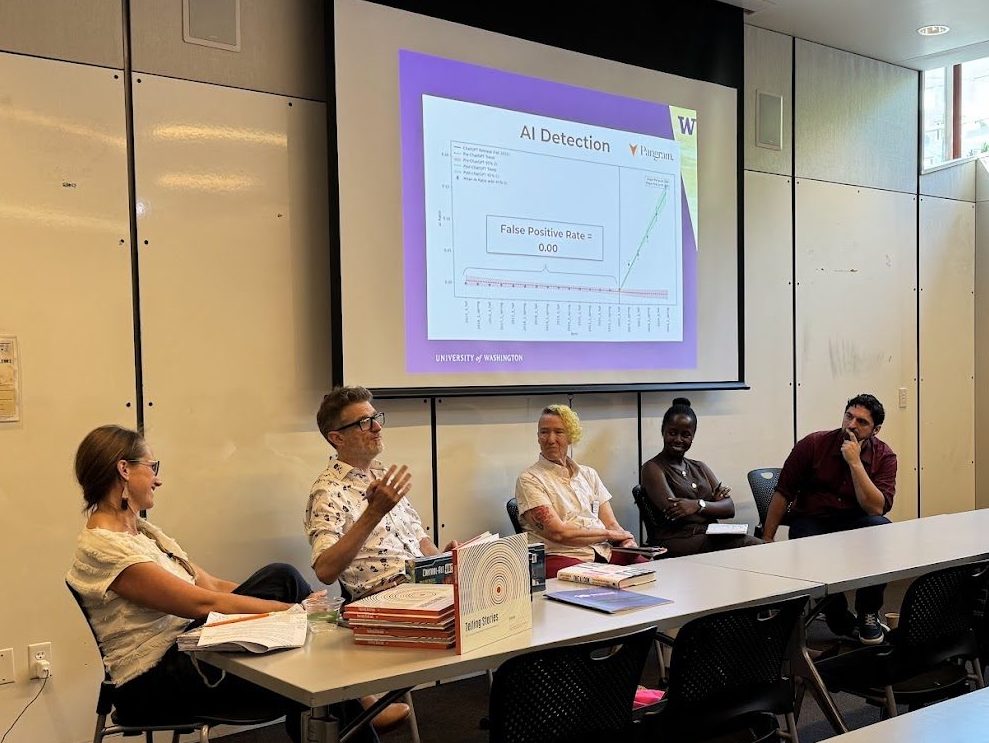
From left to right: Monika Sengul-Jones, Benjamin Mako Hill, Wes King, Ruth Karen Nakigozi, and Russell Hansen discussing AI detection software on a panel for the Communication Leadership’s AI Academy on Friday, Aug. 7, 2026. Credit: Raphaela Medeiros

Hansen, a doctoral candidate in the Department of Communication and researcher with the Center for Journalism, Media and Democracy (CJMD), observed how AI is impacting his studies of people who participate in political discussions on forums such as Reddit. Some participants are reluctant to share their experiences because they fear being identified through AI systems. He noted these concerns affect not only what participants are willing to disclose but also how researchers work.

Hill, an associate professor in the Department of Communication and a founding member of the Community Data Science Collective, introduced the concept of “disintermediation” to explain how large language models (LLMs) strip information of its provenance. He described how new AI features are threatening online communities such as open-access volunteer-run projects like Wikipedia, because readers are less likely to visit articles, examine sources, or become editors. Hill also noted the launch of Wikimedia Enterprise by the Wikimedia Foundation, a new service for commercial uses of Wikimedia projects.

King, an assistant teaching professor in the Information School, discussed AI in relation to their longstanding research on religion and religious communities. They referenced the Catholic Church’s recent interest in AI ethics, notably Pope Leo XIV’s first encyclical, Magnifica Humanitas, which calls for AI to be guided by human dignity. King also described religion’s uses of AI, such mining religious texts and pastors making ​digital twins.

Nakigozi, an undergraduate Informatics student and Tech Policy Lab intern, discussed the oral-history work she is conducting with Ben Lee (Information, UW Seattle) and Benjamin Shapiro (Computer Science, UW Seattle) on endangered languages. She also considered whether and how communities can use AI technologies for language preservation without allowing it to flatten what is distinctive about the community and their ways of being in the world.

Sengul-Jones, Director of Strategy & Operations for Society + Technology at UW and a writer and researcher, discussed how Pangram, a new AI-detection software, has fostered antagonism and competition among online writers and publishers. At the same time, working writers and editors report being asked to use AI tools and to “humanize” AI text. Sengul-Jones noted this may create opportunities for storytellers skilled in voice and emotional resonance. She also pointed out that the launch of LLMs has coincided with a surge in book publishing and available texts, potentially contributing to reader fatigue.

The discussion ranged to debate the adequacy of metaphors such as “empire” or “cartel” for describing political and economic power relationships to reflections on how norms in storytelling are changing with the availability of troves of information. Hill noted, for instance, that a novel such as Herman Melville’s Moby-Dick, which famously includes long passages about whaling and sperm whales, may be less impressive today to readers who might find such descriptions boring, or even mistake them for “AI slop.” Other creative and ingenious forms of storytelling, perhaps not yet formed, may instead resonate with readers as norms evolve.

The panel was a part of the two-week intensive AI Academy by the Communication Leadership program in the Department of Communication. Learn more at: https://commlead.uw.edu/academics/ai-summer-academy/

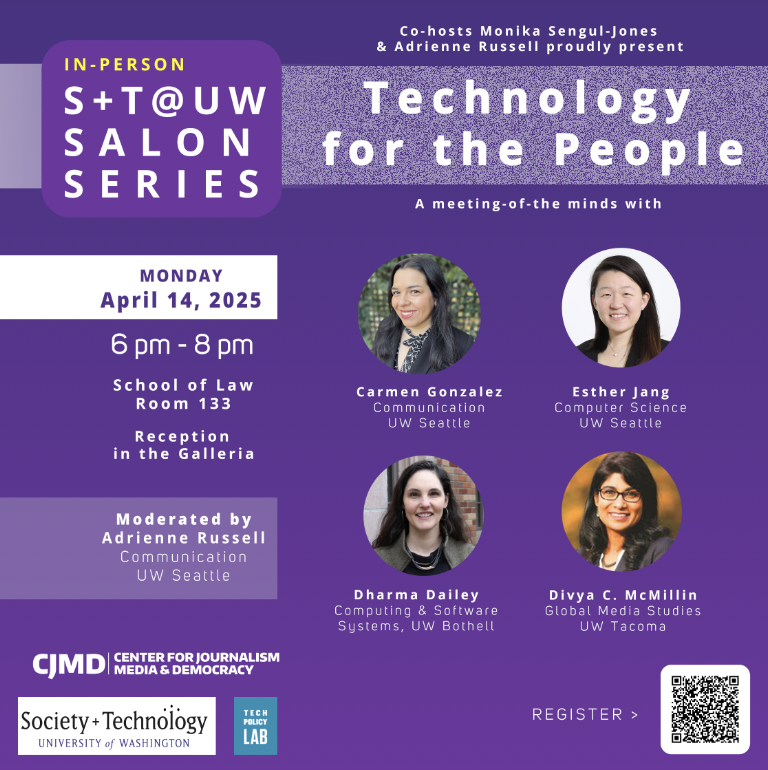
Register Now: ‘Technology for the People,’ New Salon on Monday, April 14, 2025

You Are Invited

Technology for the People is a Society + Technology at UW salon co-hosted with the Department of Communication’s Center for Journalism, Media, and Democracy arranged to showcase empathetic, community-focused engagement with technologies for justice and democracy.

Featuring speakers from UW Seattle, UW Tacoma, and UW Bothell, the conversation will discuss efforts toward digital equity and information access in the Puget Sound region from a range of disciplines including communication, computer science, public policy, and human-centered design and engineering. 

Anyone interested in attending is welcome, however, registration is required.

When?

Monday, April 14, 2025
6 pm to 8:00 pm PDT

Where?

Toni C. Rembe Appellate Courtroom, Room 133
Reception to follow in the Galleria

4293 Memorial Way Northeast, Seattle, WA 98195
School of Law, University of Washington, Seattle

Campus Map | Google Map

Cost

The event is free, but registration is required.

Program

5:30 | Doors open. Check in at the Welcome Desk at the east entrance to Gates Hall

6:00 – 7:20 | Salon conversation with Dharma Dailey (Computing & Software Systems, UW Bothell), Carmen Gonzalez (Communication, UW Seattle), Esther Jang (Computer Science, UW Seattle), Divya C. McMillin (Global Media Studies, UW Tacoma); moderated by Adrienne Russell (Communication, UW Seattle) with an introduction by co-host Monika Sengul-Jones (Society + Technology at UW)

7:20 – 8:00 | Reception in the Galleria

Recording

This salon will not be available in a hybrid format, however, a recording or transcript may be available upon request and with permission from the speakers. Email mmjones@uw.edu to learn more.

Travel and Parking

The School of Law is accessible by transit, car, bicycle, and foot.

By public transit, the School of Law is accessible to many busses and less than 0.2 miles from the U District station for the Light Rail. The entrance to the event is on the east side of the building, on Memorial Way.

By car, exit 1-5 to NE 45th St and go east. Turn right onto Memorial Way Northeast, then turn right to enter Lot N01, adjacent to the Burke Museum, which has Pay By Phone parking.

Bicycle racks are available on the north end of the building.

Accessibility

All areas of this space are wheelchair accessible. There are ADA parking spots in Lot N01 Hall. The event, reception, and bathrooms are conveniently located on the main floor. If you need accommodations or have accessibility questions prior to the event, please contact mmjones@uw.edu; during the event, please ask the Society + Technology at UW and Tech Policy Lab staff or volunteers for assistance.

Masks

We are a mask-friendly event. Even though masks are no longer required in many places, attendees may want to continue to wear a mask for added protection against COVID-19, especially those who are immunocompromised, living with someone immunocompromised, or who may just feel safer wearing a mask. Everyone should assess their own personal risk when making this decision. Masks will be available at the Welcome Table at the east entrance to the School of Law. Please do not attend if you are feeling unwell.

About Salons

Salons are one of Society + Technology at UW’s community programs, hosted conversations to elevate the cross-campus and cross-disciplinary perspectives on emerging technologies. Each Salon is a one-hour and fifteen-minute conversation between three to five affiliates from the S+T network, with a moderator. The purpose is to recognize and honor live, arranged encounters as a meeting of the minds, to give greater visibility to the S+T network, and to cultivate intellectual conditions for deeper collaborations.

Speaker Biographies

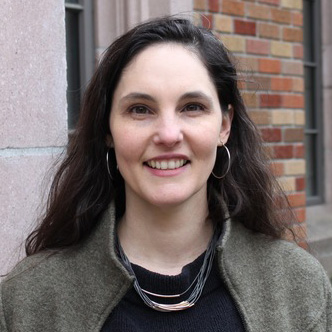
Dharma Dailey is an Assistant Teaching Professor in the Computing & Software Systems Division of the University of Washington Bothell School of STEM where she teaches User Research, Interaction Design, and Intro to Programming. As a faculty affiliate at the eScience Institute at the University of Washington, Dailey investigates how human-centered design can be incorporated into data-intensive research. She has mentored dozens of scientists in exploring the social dimensions of their research and collaborates with educators across the U.S. who are bringing “Data for Good” into the learning experiences they foster, for example, helping to share better practices for running university-based Data Science for Social Good programs.

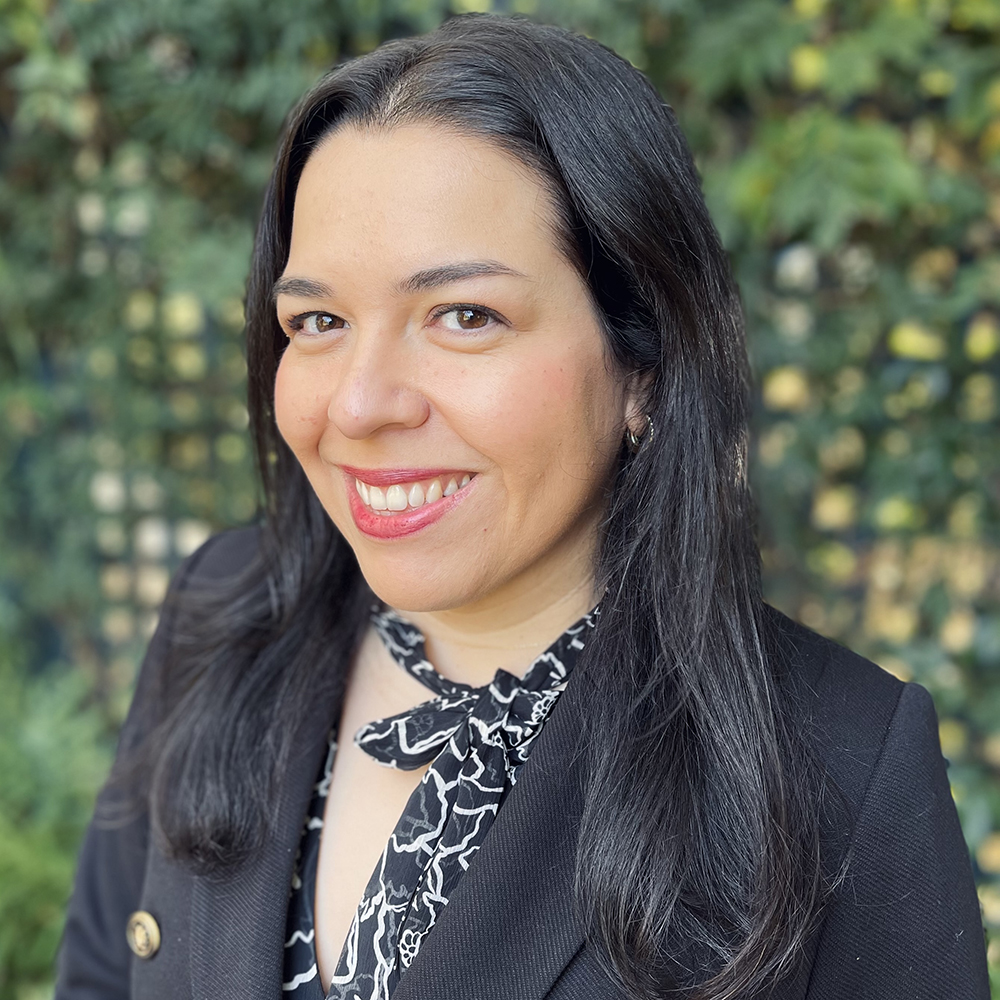
Carmen Gonzalez is the Dart Endowed Associate Professor in Trauma, Journalism, and Communication. She studies digital equity and health communication to understand how communication information technologies can help or harm health disparities, for instance, she’s studied postpartum care and telemedicine, language access in medical settings, and information access within immigrant families. Her research, funded by the NIH, UW Population Health Initiative, and Google, also includes rapid response projects on COVID-19’s disproportionate impact on communities of color. Carmen is Co-Director of the Center for Communication, Difference, and Equity (CCDE), founder of the Health Equity Action Lab (HEAL), and Director of Outreach for the Harborview Injury Prevention and Research Center (HIPRC).

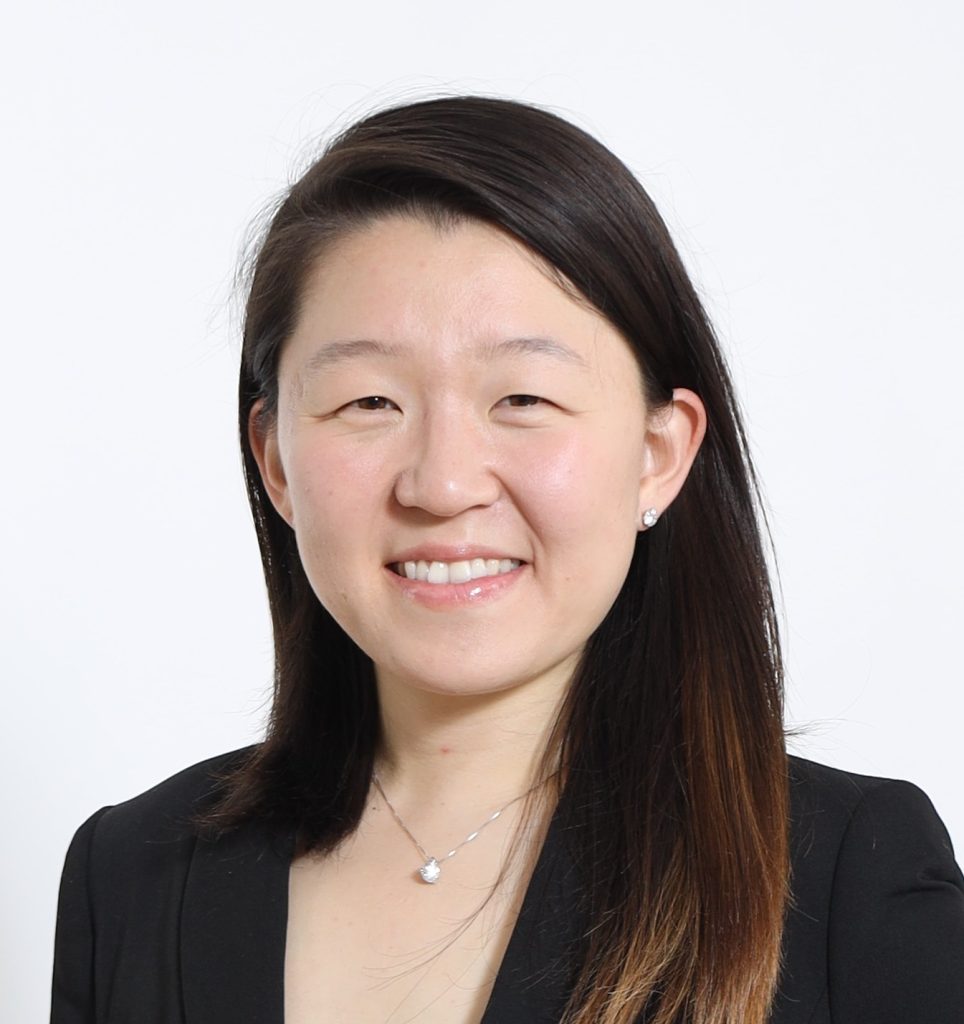
Esther Jang is a Postdoctoral Researcher in Computer Science at the University of Washington. She holds a Ph.D. in Computer Science from the University of Washington. Jang is also a Director at the nonprofit Local Connectivity Lab (LCL) and the founder of the Seattle Community Network (SCN), a project launched in 2019 to build DIY internet infrastructure for digital equity. She has installed community networks across the U.S. and internationally and teaches technical networking at the Tribal Broadband Bootcamp (TBB). Her work focuses on DIY approaches, empowerment, and pedagogy, emphasizing the creation of communities of practice to sustain technical infrastructures—and vice versa.

Divya C. McMillin is a Professor of Global Media Studies in the School of Interdisciplinary Arts and Sciences at UW Tacoma and the Associate Vice Chancellor for Innovation and Global Engagement (PhD 1998, International Communication and Cultural Studies, Indiana University Bloomington; Innovation Masters Certificate 2019, Stanford University), where she is at the helm of the Institute for Innovation and Global Engagement, and, The Global Innovation and Design Lab, a space for problem-solving and expertly facilitated workshops and executive education in social innovation and design thinking. She is a leading scholar of global media studies and practitioner of participatory design and design thinking. Divya is author of several books, including International Media Studies and Place, Power, and Media which bring a postcolonial critique to media globalization. Divya has received numerous research and teaching awards as well as UW Tacoma’s awards for distinguished research and community engagement. She holds affiliate teaching appointments in the UW Seattle Henry M. Jackson School of International Studies South Asia Center and Center for Global Studies. She is a Guest Lecturer in the London School of Economics. McMillin began her career in print (The Times of India) and broadcast journalism (All India Radio and National Public Radio). In her spare time, she enjoys playing bass and traveling the world. 

Adrienne Russell is Mary Laird Wood Professor of Communication and co-director of the Center for Journalism, Media, and Democracy. Her research lies at the intersection of journalism, technology and political communication. It focuses on emerging technologies and pressing social problems, with an eye toward how to foster democratic and participatory publics. Her most recent book, The Mediated Climate (Columbia University Press 2023), explores the overlapping climate and information crises, examining how journalism, activism, and Big Tech compete to influence the public. 

More about the Center for Journalism, Media, and Democracy

CJMD is a hub for research, teaching and public discussion about the forces shaping information practices, media cultures and core democratic values. Through research, teaching, and public engagement, we explore connections between public institutions, the press, and digital platforms with the aim of identifying the threats and opportunities to quality information, robust engagement, government accountability, and core democratic values.  

More about Society + Technology at UW

Society + Technology at UW is a cross-campus, cross-disciplinary initiative and community at the University of Washington devoted to fostering interdisciplinary conversations about emerging technologies and their societal impact. The initiative connects researchers, students, and professionals through events, discussions, and collaborative initiatives. With a growing network of affiliates, S+T at UW raises the ethical, cultural, and policy implications of technological advancements.

Sponsors

This event is sponsored by the Tech Policy Lab, the Department of Communication, and the Office of the Provost.